We promote civic engagement, improve mobility, and strengthen institutional trust by enhancing road safety and fostering public ownership through communication, positioning, awareness-raising, and educational strategies regarding the implementation of the “Smart Traffic Light System” in Santiago de Cali.
In collaboration with the Cali Mobility Secretariat, we presented the social management and communications strategy titled “Inclusive Dialogue for a Smart and Participatory Community” for the Smart Traffic Light System project, which was implemented in the urban area of the Special District of Santiago de Cali. In this first phase, effective in 2022, priority was given to 55 intersections located in communes 2, 3, 4, 8, 9, 10, 11, 12, 17, 19, and 22.
During the project’s implementation, the citizen service channel was strengthened to address suggestions from the community, working closely with various organizations, government agencies, and social groups, in coordination with public policies and various entities that have facilitated opportunities for collaboration aimed at the inclusion of all populations.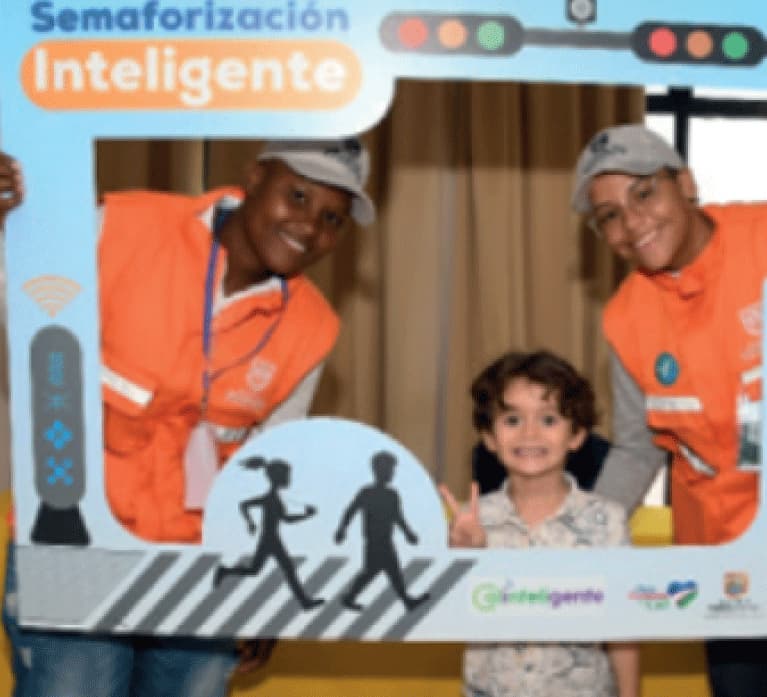
The project was carried out according to four guiding principles:
Sociodemographic Profile and Inclusion: At this stage, it was necessary to understand the social characteristics of the people living in the neighborhoods affected by this project. For this reason, a survey was conducted in each of the homes and properties in the area, thereby establishing the socioeconomic profile of each of the priority zones.
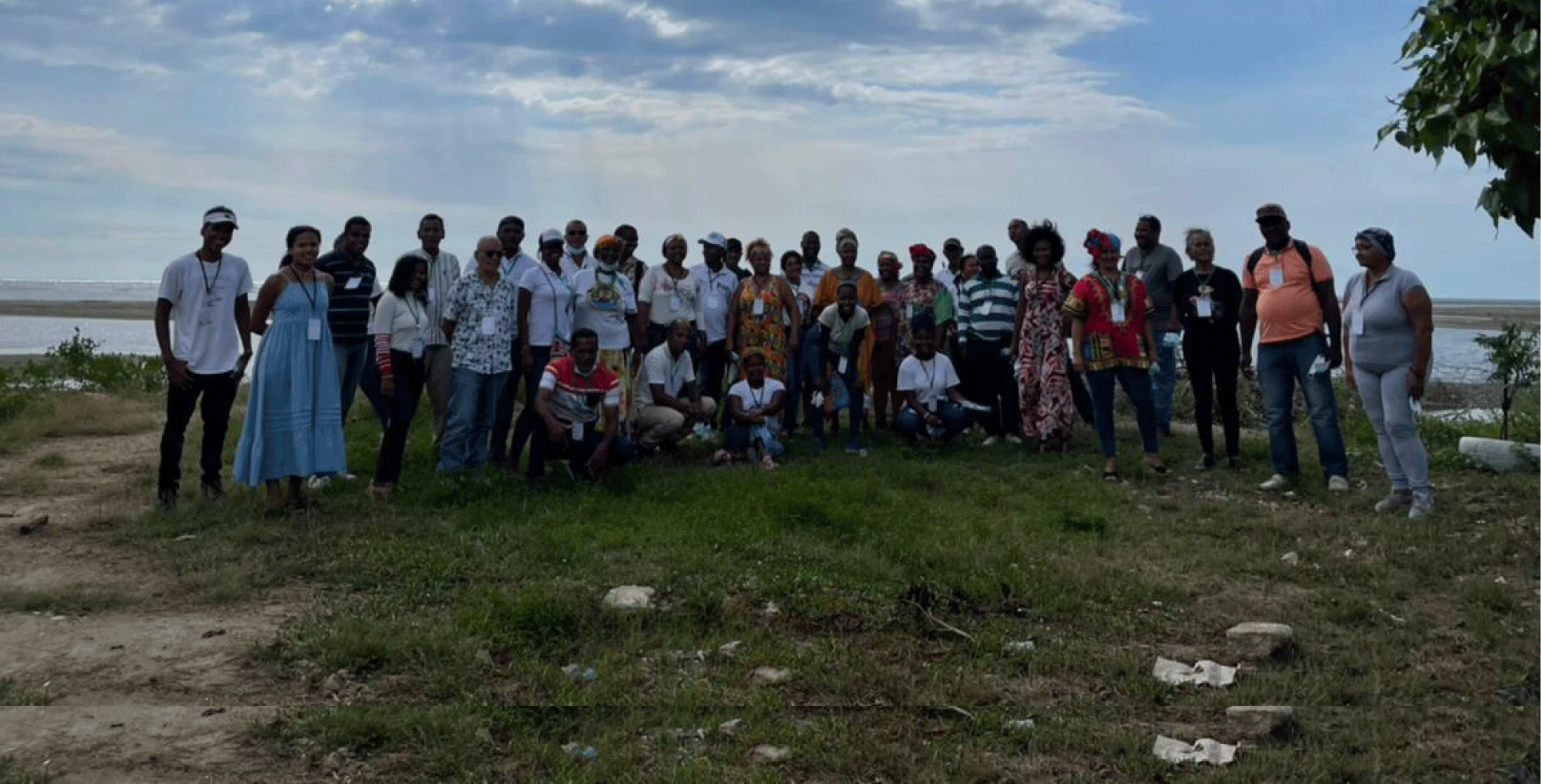
Community engagement and citizen participation: outreach workshops were held with stakeholders such as the JAC, JAL, educational institutions, civic and social organizations, and private companies. Additionally, educational approaches focused on social engagement and participatory action were revived, with the aim of disseminating information through open workshops held in high-traffic areas such as universities, shopping centers, and MIO stations.
Likewise, three districts (La Buitrera, El Hormiguero, and Pance) were included in these SSI outreach workshops as rural catchment areas, as they serve as high-traffic corridors leading to the prioritized intersections—routes commonly used by commuters traveling to work—in order to ensure the project’s territorial inclusion of rural areas.
It should be noted that a total of 317 SSI outreach workshops were held, exceeding the target of 165 sessions by 170%.
Road Safety Education and Culture: For this initiative, strategies to foster ownership and a sense of belonging were developed through educational processes and road safety education, ensuring the continuity of activities across its five components.
- Road Safety Advocates: The initiative sought to promote and ensure the effective participation of all stakeholders in finding solutions, providing employment opportunities to 163 young people aged 18 to 28, who received technical assistance and training.
- Citizen and local initiatives: Various groups from districts 2, 3, 4, 8, 9, 10, 11, 12, 17, 19, and 22 participated, and 31 proposals were received and evaluated, resulting in twenty-six (26) winning initiatives.
- Citizen-led smart mobility and road safety labs: co-creation spaces that took an artistic approach using participatory and experiential techniques. The initiative involved 136 participants, including women, young people, educational and academic institutions, people with disabilities, and labor unions.
- Awareness and smart mobility promotion workshops for traffic officers and other staff of the Mobility Secretariat: The workshops focused on helping traffic officers provide more personable service, as they carry out daily enforcement and monitoring activities to foster a culture of road safety and ensure compliance with traffic regulations in the city. A total of 14 workshops were held, attended by 25 officers in the morning and 25 in the afternoon.
- Academic and public event to present the “Smart Traffic Light System” project: FIMSSA, which featured 10 panelists who discussed topics related to smart, safe, and sustainable mobility—not only from a city-level perspective but also from an international viewpoint. The event was streamed to 165 people, and by the end of the forum, more than 200 people had attended.
Communication, information, and outreach: A comprehensive strategy was implemented—including public relations (both internal and external), graphic design, media outreach, and community engagement—not only to promote the project but also to raise awareness and foster a sense of ownership among the community in Cali.
More of our projects
Solar Kits for Rural Development
View project
Biodiversity Economy Meeting
View project
Gospel Music Festival 2012 - 2016
View project
Free-time program in rural zones and ETCR
View project