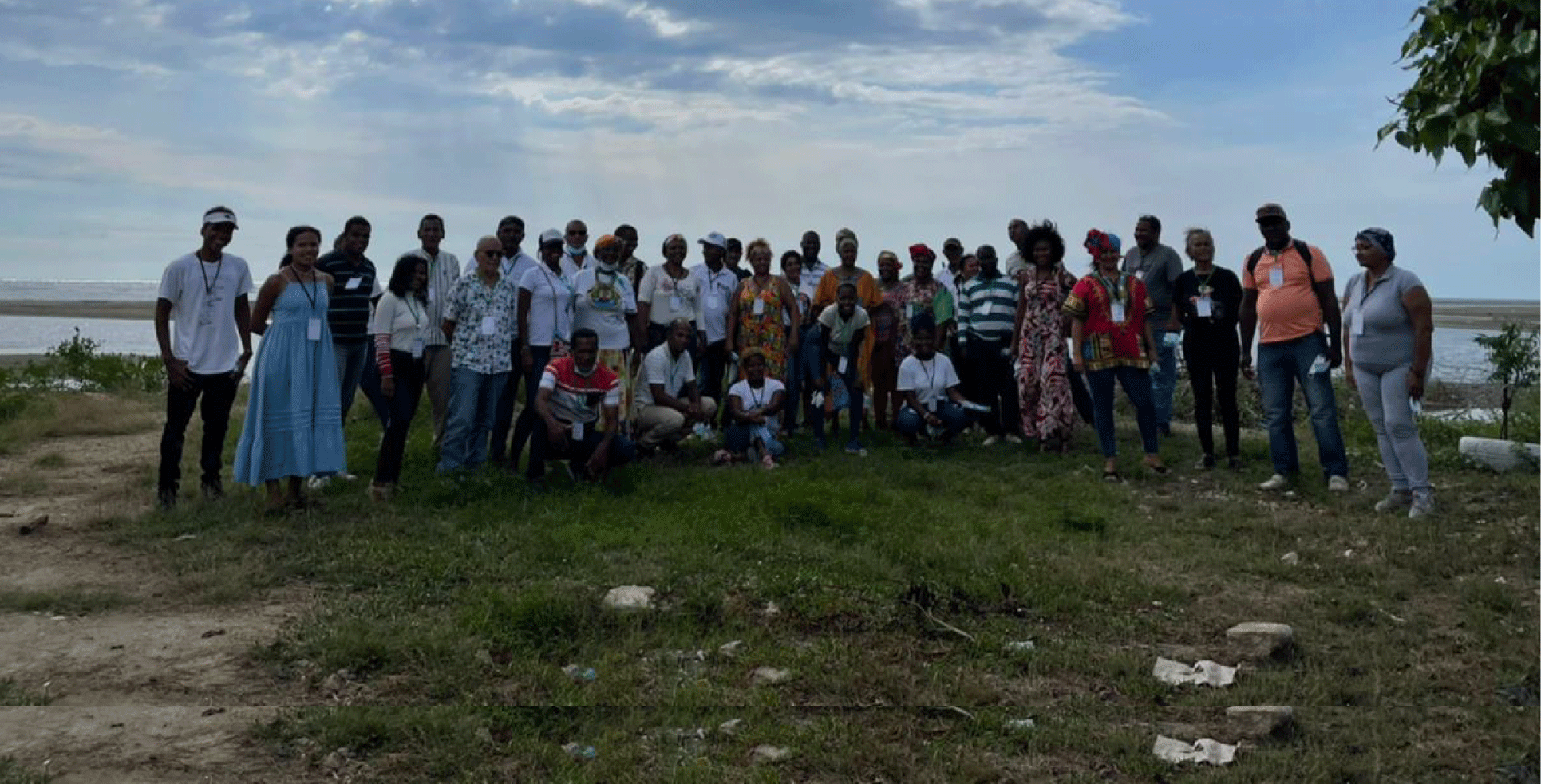
Public Presentation of the NARP
Communities' Ten-Year Health Plan
We carried out outreach for the Ten-Year Health Plan for the NARP Communities, implementing the necessary activities and components to complete the agreed-upon methodological framework for the ethnic chapter, following prior consultation with the Black, Afro-Colombian, Raizales, and Palenqueras communities regarding the 2012–2021 Ten-Year Public Health Plan and the 2022–2031 Ten-Year Health Plan. This work was carried out through 30 departmental assemblies, outreach meetings, five technical roundtables, a plenary meeting of the Third Commission, and the technical team of the Directorate of Epidemiology for analysis and agreements to be presented to the National Space for Prior Consultation (ENCP) and the formalization phase of the agreements for the ethnic chapter before the ENCP plenary.
Health-related territorial planning in NARP communities serves as the fundamental foundation for identifying the essential elements required for coordination and integration—both through their own initiatives and through intercultural actions interpreted in light of the regulations and technical framework of the SGSSS—with an emphasis on public health management that ensures the incorporation of this knowledge into the ethnic chapter.
This planning requires a participatory approach that involves the country’s community-based organizations through their community councils and the development of mechanisms for dialogue, consultation, and agreement. Due to their complexity, these processes rely on participatory instruments such as Prior Consultation, understood as “(…) the fundamental right of other ethnic groups to decide on (legislative and administrative) measures or when projects, works, or activities are to be carried out within their territories, thereby seeking to protect their cultural, social, and economic integrity and guarantee the right to participation. Prior consultation is based on the right of peoples to determine their own priorities regarding the development process, to the extent that it affects their lives, beliefs, institutions, and spiritual well-being, as well as the lands they occupy or use in any way, and to control, to the extent possible, their own economic, social, and cultural development. Furthermore, it is based on the right of such peoples to participate in the formulation, implementation, and evaluation of national and regional development plans and programs that are likely to affect them directly” (Article 7 of ILO Convention No. 169).
In accordance with the commitments made and the enforcement of rulings regarding the consolidation of the Ethnic Chapter for Black, Afro-Colombian, Raizal, and Palenquero communities—to be incorporated into the PDSP-2012-2021 and which will serve as the foundation for the PDSP-2022-2031— it is necessary to develop various processes that will ensure the integration of practical knowledge, customs, and traditions which, within the framework of ancestral wisdom, these communities have applied for millennia to carry out the actions inherent to this knowledge for the primary care of their communities.
More of our projects
Art that strengthens the community
View project
Operational and Logistical Support Services for Workplace Well-being
View project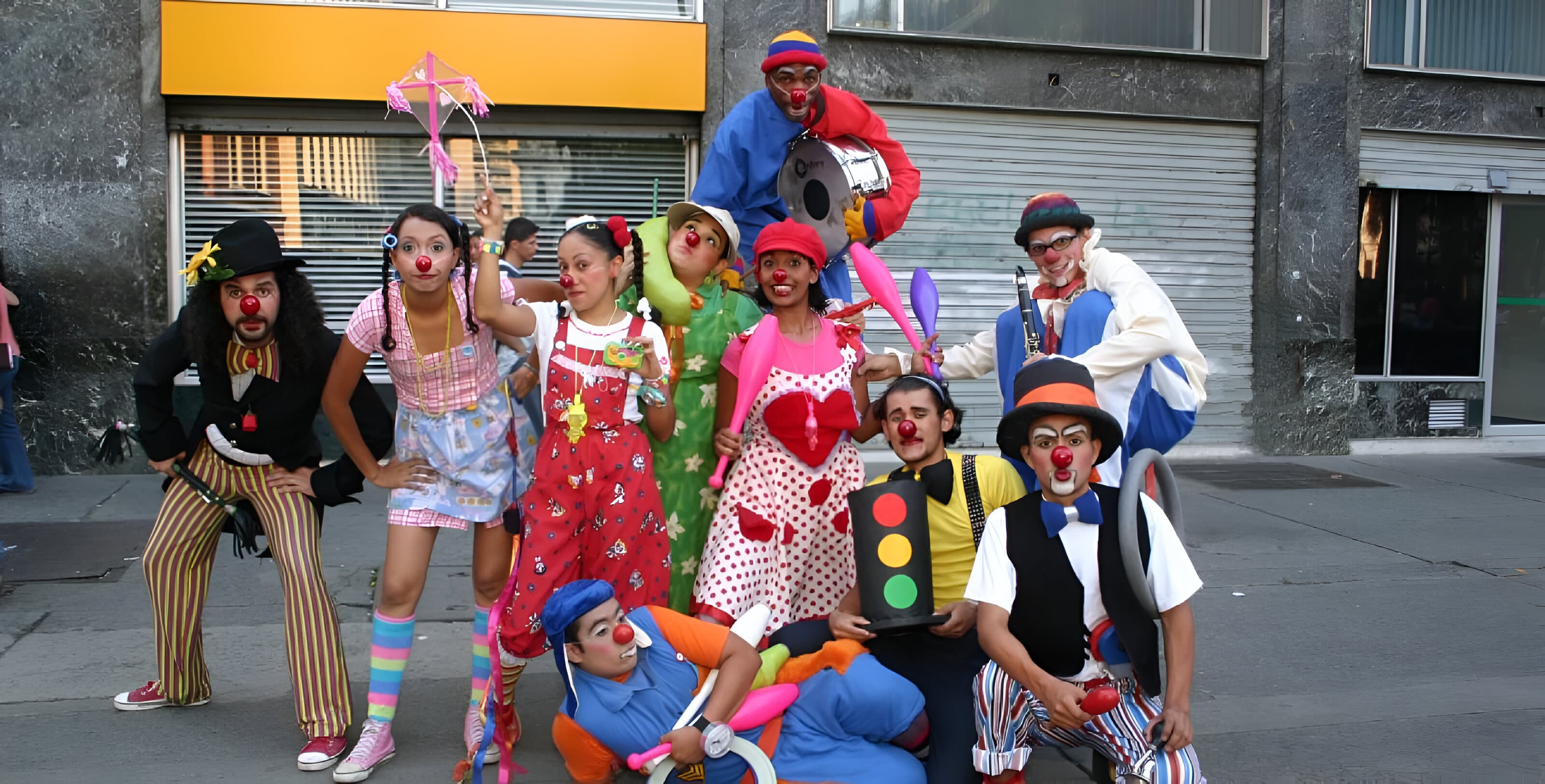
Promotion of cultural expressions
View project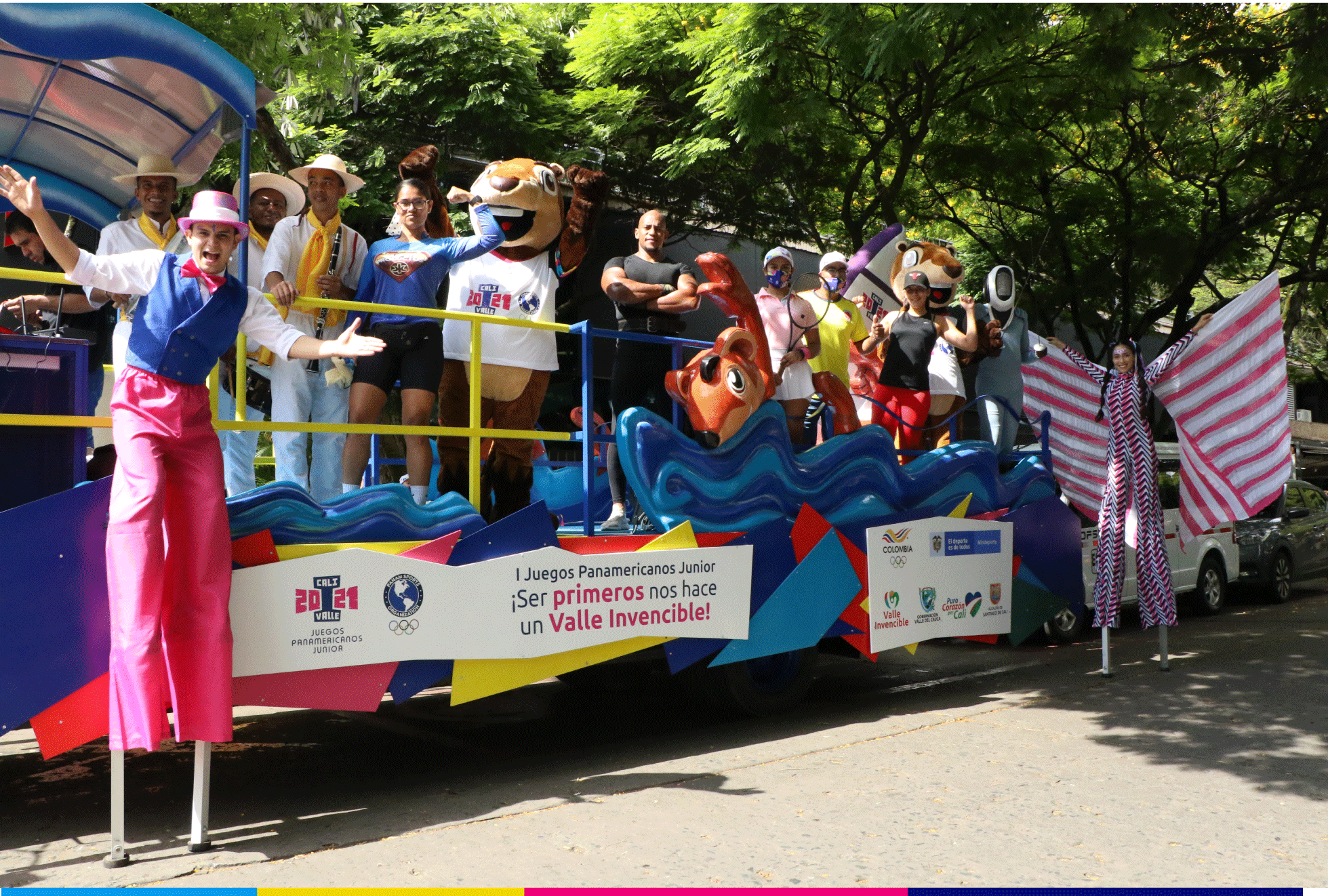
I Junior Pan American Games Cali-Valle 2021
View project